Loading...
Serving Carmichael, CA and surrounding areas. (916) 302-8845
Carmichael Masonry & Concrete is the masonry contractor Citrus Heights homeowners call for brick repair, tuckpointing, and retaining wall work on the 1960s and 1970s homes that make up most of this city. We understand the clay soil that cracks driveways and shifts walls here, and we respond to new inquiries within one business day.
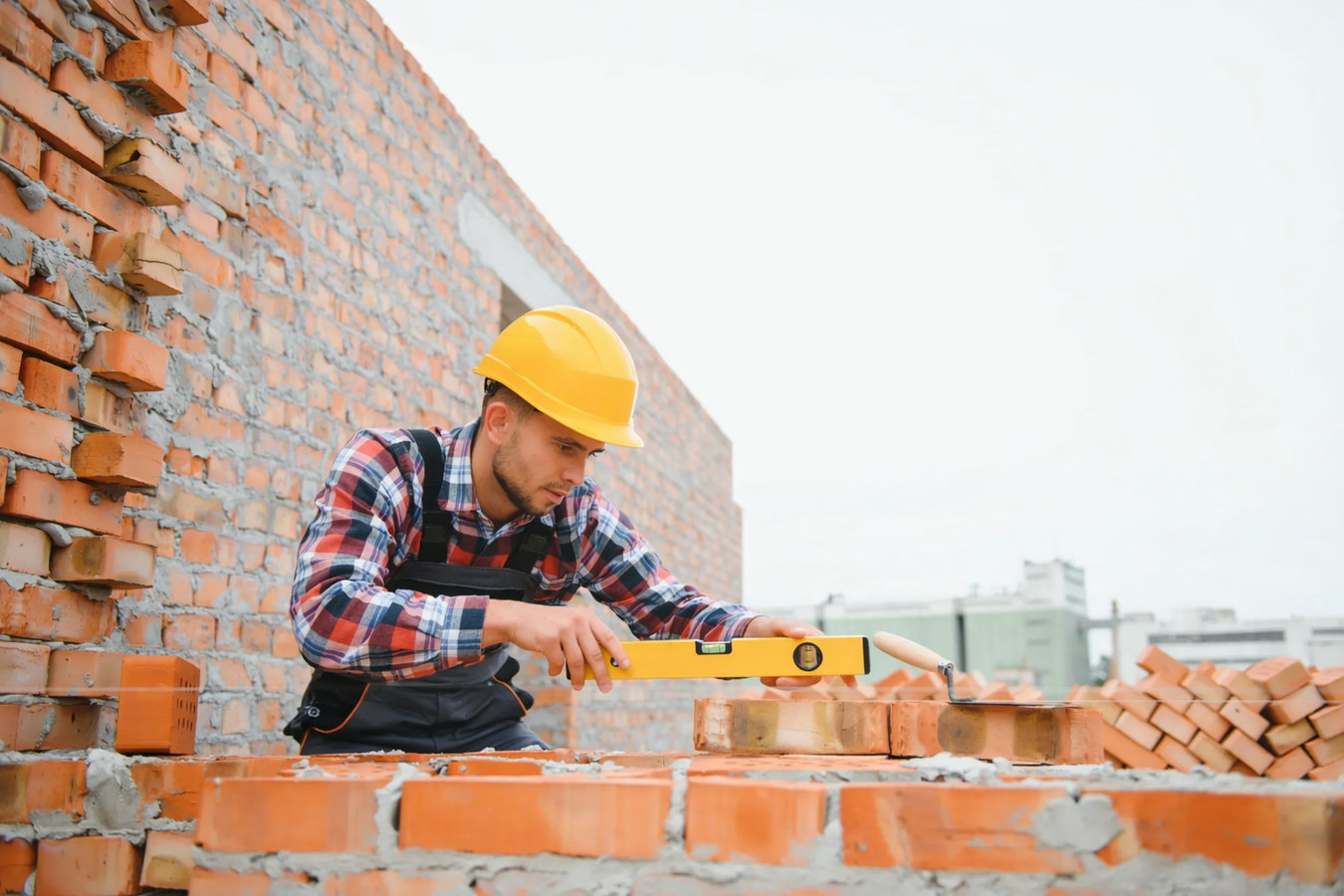
Most Citrus Heights homes were built between 1955 and 1985. Every service below addresses the real masonry conditions we encounter on these streets every week.
Citrus Heights brick chimneys, garden walls, and raised planters from the postwar decades are now showing crumbling mortar, spalling faces, and white efflorescence stains from water intrusion. Catching these issues before the November rains arrive saves a lot of damage. See our brick repair service.
Citrus Heights summers push above 100 degrees, and that kind of heat dries out and shrinks mortar joints faster than most homeowners expect. When the joints between bricks recede or crumble, water gets in during the first fall rains and the damage spreads quickly. Replacing failing mortar before winter is one of the most cost-effective masonry repairs there is.
The expansive clay soil under Citrus Heights neighborhoods puts heavy seasonal pressure on retaining walls - swelling with winter rain and shrinking back in summer. Walls built without proper drainage and a deep footing typically start to lean or crack within a few years. We build walls that account for what this soil actually does.
Homes built in the 1960s and 1970s in Citrus Heights often have shallower slab foundations that were not engineered for the seasonal clay soil movement the Sacramento Valley produces year after year. Sticking doors, diagonal wall cracks, and uneven floors are the early warning signs - and they are worth addressing before they get worse heading into another wet season.
Original concrete walkways on Citrus Heights properties are often 50 or 60 years old - and the mature trees planted along those same streets have been pushing roots under the slabs for just as long. Lifted and cracked walkway sections are a trip hazard that only gets worse over time. We replace damaged sections and can regrade to direct water away from the house.
Decorative brick facades, raised entry planters, and block garden walls on Citrus Heights homes from the 1970s and 1980s are reaching an age where surface wear, staining, and joint failure are all happening at once. Restoration work addresses everything together rather than patching each problem separately, which produces a cleaner result and a longer-lasting repair.
Citrus Heights incorporated as a city in 1997, but most of the homes here were built decades earlier - the heaviest construction ran through the 1960s and 1970s, filling in what was then the northeastern edge of Sacramento's suburban expansion. That housing stock is now 40 to 60 years old, and at that age, original concrete flatwork, brick chimneys, and masonry garden walls are all approaching or past the point where they need real attention. The city covers about 14 square miles of nearly wall-to-wall single-family homes, and the masonry problems that come with that building era are visible on nearly every block.
The bigger underlying force is the clay soil that sits under most of the Sacramento Valley, including Citrus Heights. According to USDA Web Soil Survey data, expansive clay soils are common throughout this region. Those soils swell when they absorb Citrus Heights' 20-inch annual rainfall in winter and shrink back during the long dry summers. After decades of that cycle, concrete and masonry that sits on or in that soil develops cracks and shifts in ways that just keep coming back if the underlying cause is not considered in the repair approach. Summers that regularly top 100 degrees also accelerate mortar breakdown faster than in milder climates - which is why tuckpointing jobs that would last 25 years in San Francisco may need attention in 15 here.
Our crew works throughout Citrus Heights regularly, and we pull permits through the City of Citrus Heights Building Department for structural masonry jobs here - not through Sacramento County, which handled permits before incorporation. Knowing the difference matters for keeping your project on schedule and making sure inspections go smoothly.
Sunrise Boulevard is the main reference point for navigating Citrus Heights - neighborhoods fan out east and west from that corridor toward Greenback Lane, Auburn Boulevard, and the city borders. We work regularly on homes throughout this grid, from the ranch houses near Rusch Community Park to the streets closer to the Folsom city line. The housing is dense and the lots are modest, which means tree roots from street plantings and yard trees are a near-constant factor in driveway and walkway repair work here.
We also work in adjacent Antelope to the north, where the housing stock is somewhat newer but faces similar clay soil challenges, and in Carmichael just to the southwest. If you are near the border of any of these areas, we cover it.
Call or use the contact form and describe what you are noticing - crumbling mortar, cracked bricks, a leaning wall, or lifted walkway sections. You do not need to know the technical terms. We respond within one business day to schedule a visit.
We come to your Citrus Heights property, inspect the damage in person, and give you a written estimate with a clear breakdown of what the work involves and what it costs - no verbal-only quotes. This visit is free, and we will tell you upfront whether a permit is needed.
On the scheduled day, the crew sets up around the repair area and gets to work. Most brick and mortar repairs stay entirely outside your home and do not disrupt your daily routine inside. We time the schedule to avoid peak summer heat that can interfere with mortar curing.
When the work is done, we clean up the site and walk through the finished job with you. We explain the curing window - typically 24 to 48 hours before the area can get wet - and what to watch for in the weeks after, especially heading into Citrus Heights' rainy season.
We serve all of Citrus Heights, CA. Free written estimates. No obligation.
(916) 302-8845Citrus Heights is a city of about 87,000 to 90,000 residents in northeastern Sacramento County, bordered by Roseville to the north, Fair Oaks and Folsom to the east, and Carmichael and Sacramento to the south and west. The city is almost entirely residential - 14 square miles of predominantly single-family neighborhoods developed during the postwar suburban expansion. The Sunrise Boulevard corridor, home to the Sunrise MarketPlace shopping area, runs through the center and serves as the main commercial spine around which the neighborhoods are organized. Auburn Boulevard and Greenback Lane are the other main east-west roads most residents use daily.
Most of the housing stock dates from the 1960s and 1970s - one- and two-story ranch and tract homes on modest lots, with stucco or wood siding and attached garages. At 40 to 60 years old, these homes are at the age where concrete flatwork, brick chimneys, and mortar joints all start needing meaningful attention. The neighborhood around Rusch Community Park is one of the well-known family gathering spots in the city, and streets near there represent the kind of established, maintained neighborhood that makes up most of Citrus Heights. We also regularly work in neighboring Fair Oaks to the east and Sacramento to the southwest, covering the full area where these postwar neighborhoods concentrate.
Restore structural stability and stop foundation damage before it spreads.
Learn MoreBuild strong retaining walls that control erosion and define your landscape.
Learn MoreConstruct solid concrete block walls built for strength and longevity.
Learn MoreInstall a reliable foundation block wall that supports your structure.
Learn MoreDesign and build walkways that are safe, attractive, and built to last.
Learn MoreFree estimates, honest assessments, and work built to handle Sacramento Valley soil and weather. Reach out today.