Loading...
Serving Carmichael, CA and surrounding areas. (916) 302-8845
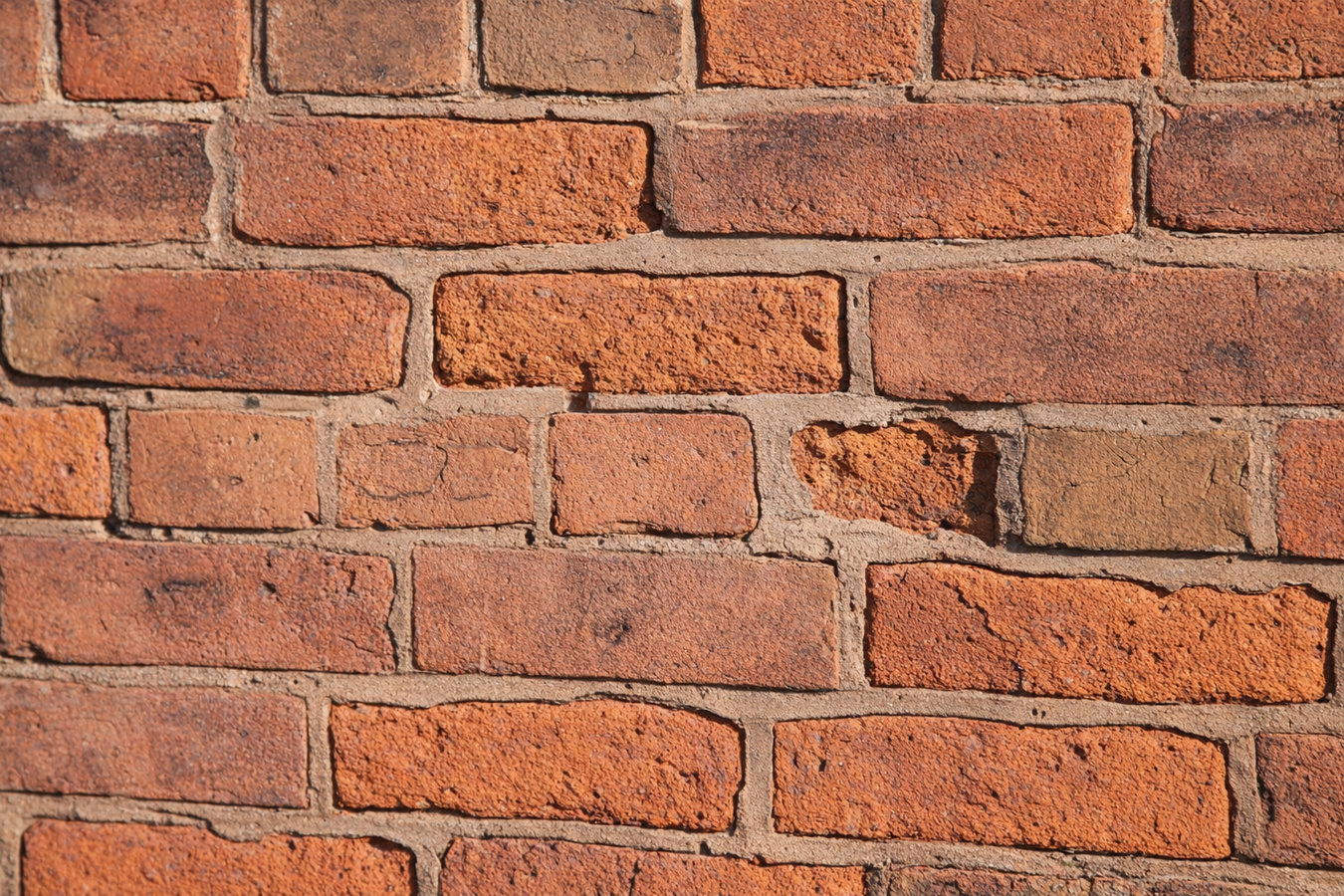
Crumbling mortar joints are one of the most common ways water gets into Carmichael homes - but catching it early means a straightforward repointing job rather than a much larger repair down the road.
Brick pointing in Carmichael is the process of removing failed mortar from the joints between bricks and replacing it with fresh material - typically a small chimney or garden wall section takes one day, while a full chimney or larger wall can take two to four days. The old mortar must be cut or ground out to about three-quarters of an inch before new mortar is packed in. Skipping that removal step is one of the most reliable signs of poor workmanship, and a surface repair done that way usually fails within a year or two.
Carmichael homes built between the 1940s and 1970s are especially common candidates for repointing because the mortar from that era is reaching the end of its useful life. Add in the area's wet winters and triple-digit summer heat, and mortar breaks down faster here than in many other parts of the country. When joints fail, water finds its way in - and in a climate with a defined rainy season, that water has plenty of chances to do damage. If your chimney or brick wall is also due for a closer look at the brick faces themselves, masonry restoration may be the right conversation to have at the same time.
We match mortar mix to your existing brick type - especially important on older structures where the wrong mortar can crack the bricks. Every job includes a written estimate upfront and a final walkthrough before we leave.
Run your finger along the joints between your bricks. If the mortar feels soft, crumbly, or comes away in your hand, it is past due for repair. In Carmichael's climate, this kind of surface erosion is common on chimneys and older brick walls that have been through many years of hot summers and wet winters.
Hairline cracks in mortar joints are normal over time, but cracks you can fit a credit card into are a warning sign. In Carmichael, these often appear near the base of a chimney or along the lower courses of a brick wall - a sign that the clay soil underneath has shifted and put stress on the structure.
That chalky white residue on brick - called efflorescence - is salt being pushed out by water moving through the masonry. It is a reliable sign that water is getting in somewhere, often through failing mortar joints. If you see it after a rainy winter, the joints are worth inspecting before the next season arrives.
If you notice damp spots, water stains, or peeling paint on an interior wall that backs up to a brick chimney or exterior surface, failing mortar joints are a likely culprit. Water is finding a path through the wall, and the longer it goes unaddressed, the more damage it does to the structure behind the brick.
We repoint chimneys, exterior brick walls, garden walls, brick planters, and brick veneer on home exteriors. Every job starts the same way: damaged mortar is cut or ground out to the proper depth, the joint is cleaned, and fresh mortar is packed in by hand and tooled to a consistent finish. We test mortar samples against your existing joints before committing to a full mix - color and softness need to match, especially on older Carmichael homes where the original mortar was lime-based. Using mortar that is too hard on an older brick wall puts the brick itself at risk when the clay soil moves.
For chimneys that have not been inspected in several years, we look at the full structure while we are there - not just the joints - and flag anything worth addressing before it becomes a bigger problem. The Brick Industry Association publishes repointing standards that guide our mortar selection and joint preparation on every job. For homeowners who also have structural concerns beyond the mortar - cracking bricks, spalling, or older masonry that has never been properly assessed - foundation repair may need to be part of the conversation as well.
Suits homeowners with a chimney that has not been inspected recently or shows visible mortar erosion near the top - the part most exposed to weather and hardest to see from the ground.
Suits homeowners with failing mortar on a brick veneer or solid brick exterior wall, where water infiltration or visible joint damage is becoming a concern.
Suits homeowners with older brick garden walls or raised planters where the mortar is crumbling and the structure is starting to look neglected or let water through.
Suits homeowners with a specific section of damaged joints - a few feet of wall or a single section of chimney - where targeted repair is the right approach rather than a full rework.
Carmichael's climate creates two conditions that accelerate mortar breakdown. First, summer temperatures regularly climb above 100 degrees Fahrenheit - that intense heat dries out and cracks mortar faster than in cooler regions, and any repointing work done at the wrong time of day in July can fail before it ever cures properly. Second, the rainy season runs November through March, when water gets into even small cracks and then the summer heat bakes the structure again. That repeated expansion and contraction - even without freezing - steadily widens mortar cracks year after year. The clay soils found throughout the Sacramento area add a third stressor at ground level, where seasonal soil movement puts additional stress on lower brick courses and chimney bases. The Chimney Safety Institute of America recommends inspecting chimneys at least once a year - in this climate, that advice is worth following.
We work throughout the Carmichael area and nearby communities including Arden-Arcade and Citrus Heights. These neighborhoods have the same aging housing stock and the same climate conditions as Carmichael, which means the same mortar problems show up in roughly the same ways. If your home was built before 1980 and the brick mortar has never been looked at, a visual inspection is a smart first step - particularly before the rainy season begins.
Tell us what you are noticing - crumbling joints, cracks, white staining, or a chimney that has never been inspected. We reply within one business day and schedule a time to come look at it in person.
We inspect the affected area up close - using a ladder for chimneys and upper walls. We tell you what we find and what the repair involves, then deliver a written estimate within a day or two. No vague ranges, no surprise additions.
Clear the area around the work zone - move patio furniture and potted plants, close windows near the work. Grinding out old mortar creates dust and noise. You do not need to be home, but it helps to be reachable by phone.
Old mortar is removed to the right depth, fresh mortar is packed in and tooled smooth, and the brick faces are cleaned of any excess. Before we leave, we walk you through the finished work and explain the 24 to 48 hour drying window before the area gets wet.
Free estimate, no obligation. We reply within one business day.
(916) 302-8845We test mortar samples against your existing joints before committing to a mix. On older Carmichael homes, using the wrong mortar type can crack the bricks. We get the match right the first time because getting it wrong is expensive for you.
We cut or grind old mortar to the proper depth before packing in new material. A surface patch over failing mortar might look fine for a season and then fail - we do not take that shortcut because we want our work to last.
Fresh mortar needs the right conditions to cure. We plan repointing jobs around the spring and fall windows when temperatures are mild, and we avoid scheduling summer work during the hottest parts of the day to prevent premature drying.
If a targeted repoint is all your wall needs, that is what we recommend. We do not upsell full rebuilds on structures that are still sound. You get an honest assessment based on what we find - not what generates the most revenue on the estimate.
Good repointing is careful, detailed work - and it shows in how long the result holds up. When you call us, you get a crew that knows the specific demands of Carmichael's climate and housing stock, and that treats your chimney or wall the same way we would want our own treated.
When mortar problems trace back to a shifting foundation or settling soil at the base of a structure, foundation repair addresses the root cause rather than just the visible symptom.
Learn MoreFull restoration for older brick and stone structures where the damage goes beyond mortar joints - including spalling bricks, structural cracks, and surfaces that need cleaning and sealing.
Learn MoreSpring slots fill fast - reach out now so your chimney or wall is sealed before the next rainy season arrives.